Your Hair Is Sending Signals. These Are the Labs Worth Checking
Your Hair Is Sending Signals. These Are the Labs Worth Checking
By The Wellness Edit Team
Reviewed by: Dr. Sergio Naccarato, MD
Biotin gets the spotlight. But when hair starts shedding, the most revealing clues may be in your iron stores, thyroid function, nutrition, hormones and recent changes in weight.
Before buying another bottle of supplements, it helps to know which blood tests can answer a real clinical question—and which specialty panels serve a different purpose.
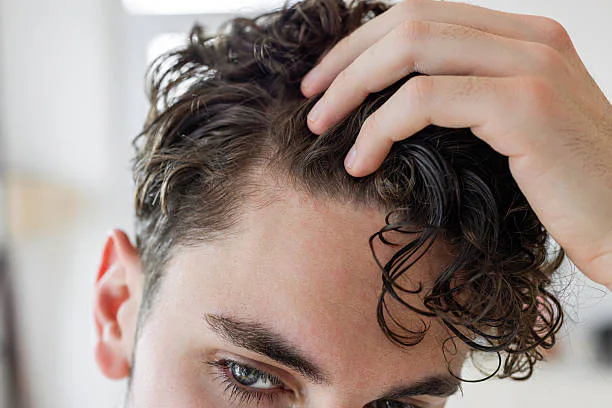
Hair changes can have several causes. A targeted clinical evaluation helps determine which tests may be useful.
Why Does Hair Health Start With More Than Biotin?
Hair loss is a symptom with several possible explanations, not a diagnosis that one supplement can fix. Genetics, hormones, iron status, thyroid disease, recent illness, nutritional intake and changes in body weight can all influence the hair cycle.
Some people notice more strands in the shower. Others see a widening part, patchy areas or a receding hairline. Those patterns matter: a dermatologist may diagnose a condition from the history and scalp examination, while blood tests are useful when a deficiency or systemic illness is suspected.
The quick answer: A targeted starting conversation often includes a complete blood count, iron studies with ferritin and thyroid screening. Vitamin D, zinc, hormones and inflammatory tests are considered when symptoms and history justify them—not as a universal checklist.
Which Blood Tests Are Most Useful for Hair Loss?
There is no single standard hair-loss blood panel for everyone. A licensed clinician chooses tests based on the pattern of shedding, diet, menstrual history, medications, recent weight changes and examination findings.
Test | What it can reveal | When it may be considered |
|---|---|---|
CBC + ferritin/iron studies | Anemia and iron status | Diffuse shedding, heavy periods, low iron intake |
TSH, sometimes free T4 | Thyroid function | Shedding with fatigue, temperature sensitivity or weight changes |
25-OH vitamin D | Vitamin D status | Risk factors for deficiency or a broader clinical assessment |
Zinc | Zinc deficiency | Restricted intake, malabsorption or suggestive symptoms |
Androgen tests | Possible androgen excess | Pattern thinning with acne, irregular cycles or excess facial hair |
CRP/ESR or autoimmune tests | Inflammation or suspected systemic disease | Only when symptoms or examination raise concern |
The American Academy of Dermatology emphasizes diagnosis first: blood tests and scalp biopsy are tools for selected cases, not automatic steps for everyone.
What Does Ferritin Tell You About Hair Shedding?
Ferritin reflects stored iron. Low iron stores can accompany diffuse shedding even before severe anemia develops, which is why a clinician may order ferritin alongside a CBC and iron studies.
Ferritin is also an acute-phase reactant: inflammation can raise it, complicating interpretation. A single number cannot establish the cause of hair loss, and there is no universally accepted ferritin target proven to restore hair growth in every patient. Iron supplementation should follow clinical assessment, because excess iron can be harmful.
Why ferritin is not the whole story: A clinician may interpret ferritin alongside hemoglobin, serum iron, transferrin saturation, symptoms and any evidence of inflammation. A “normal” result does not automatically settle the diagnosis.
Which Thyroid Tests Matter: TSH, Free T4 or T3?
TSH is commonly the first thyroid screening test. Free T4 can help clarify an abnormal TSH or a particular clinical concern. T3 is not routinely needed for every person with hair loss; it has a more selective role, including some evaluations for hyperthyroidism.
Both underactive and overactive thyroid disorders can affect the hair cycle. A clinician will look beyond hair symptoms to fatigue, palpitations, temperature intolerance, bowel changes and unexplained weight changes. Biotin supplements can interfere with certain thyroid laboratory assays, so disclose them before testing and follow the laboratory’s preparation instructions.
Should You Check Vitamin D and Zinc?
Vitamin D and zinc are relevant to normal physiology, and deficiencies can occur alongside hair disorders. But an association does not prove that giving extra vitamin D or zinc will reverse hair loss when levels are already adequate.
Vitamin D testing may make sense when deficiency risk is present. Zinc testing is more selective—for example, with restrictive diets, gastrointestinal conditions or suspected malabsorption. High-dose zinc can cause copper deficiency, so “more” is not necessarily better.
The Wellness Edit
How Menopause and Hormone Health Fit Into Your Bigger Wellness Picture →
When Are Hormone Panels Worth Considering?
Hormone testing is most useful when the history suggests a hormonal disorder. In a woman with scalp thinning plus irregular periods, acne or increased facial hair, a clinician may consider total or free testosterone, DHEA-S, sex hormone-binding globulin or prolactin, depending on the clinical picture.
For more context on midlife hormone conversations, see The Wellness Edit’s menopause and bone-health feature. It is not a hair-loss diagnostic guide, but it illustrates why hormone discussions require individualized evaluation.
Menopause and perimenopause can coincide with changes in hair density, but a broad estrogen-progesterone-testosterone panel does not diagnose every hair concern. Hormone levels vary with age, cycle timing, medication use and treatment. Likewise, not every man with thinning hair needs testosterone testing: common male-pattern hair loss is often diagnosed clinically.
Hormone care is not a hair-growth shortcut. Results can inform a broader evaluation when symptoms support testing, but neither a hormone panel nor hormone therapy guarantees regrowth. Treatment decisions belong to a licensed medical provider.
Do Inflammatory Markers Explain Hair Loss?
CRP and ESR can indicate inflammation, but neither identifies a specific hair-loss diagnosis. They are not routine screening tests for every person who sheds hair. Autoimmune tests, such as ANA, are generally reserved for a clinical concern suggested by symptoms or examination.
Redness, pain, scaling, patchy loss or possible scarring warrants prompt dermatology evaluation. A scalp examination—and sometimes biopsy—can be more informative than adding another blood marker.
Can Weight Loss and Metabolic Changes Affect Hair?
Yes. Rapid weight change, illness, inadequate energy intake and low protein intake can precede temporary diffuse shedding called telogen effluvium. Hair often responds with a delay of weeks to months, so the timing of a new medication or diet does not by itself prove causation.
For related context, explore how nutrition and medical weight management belong in the same conversation. Hair shedding warrants its own assessment regardless of weight-loss treatment.
For someone using GLP-1 medication or following a medically supervised weight-management program, a clinician may review the pace of weight loss, food intake, protein adequacy, iron status and other symptoms. HbA1c, glucose, kidney or liver measures can be useful for overall metabolic care when indicated, but they are not hair-growth tests.
Maintaining nutrition and reviewing unexpected shedding is more useful than assuming that every strand lost requires a new supplement or peptide.
Important distinction: Hair shedding after significant weight loss may reflect the physiological stress of weight change or reduced nutritional intake. That is different from proving a specific medication directly damaged hair follicles.
How Can California Trim Clinic’s Lab Options Fit Into a Care Plan?
California Trim Clinic offers six lab options. They serve different questions; none should be assumed to include every marker in a hair-loss workup. Your provider can review the current test menu and order targeted tests where clinically indicated.
Available lab | How it fits this conversation |
|---|---|
Comprehensive Panel | A possible starting point for broader health assessment. Confirm the exact iron, thyroid, metabolic and nutritional markers included before treating it as a hair-health panel. |
Foundational Panel | A baseline wellness option; confirm its current analyte list and whether hair-specific follow-up tests are needed. |
Methylation Health Panel | Specialized testing for methylation-related questions. Not a substitute for standard ferritin, CBC or thyroid evaluation. |
Genova GI Effects Profile | Stool-based gastrointestinal assessment, not a routine blood test for hair loss. May be relevant when a clinician suspects a gastrointestinal issue. |
Genova GI Effects + Microbiomix | Expanded gastrointestinal/microbiome assessment, not a first-line hair-loss test. Clinical relevance depends on GI symptoms and history. |
Galleri by GRAIL | A multi-cancer early detection blood test, not a hair-loss, hormone or nutrient test. It should not be used to explain ordinary hair shedding. |
That distinction matters. If you are experiencing diffuse shedding, a clinician may decide that targeted ferritin and iron studies, CBC, TSH and sometimes free T4 are more useful than automatically ordering a large specialty panel. Vitamin D, zinc, androgens or inflammation markers depend on your symptoms.
Explore California Trim Clinic’s peptide therapy and available lab information, then ask which tests are included, what each result would change, and whether any additional labs are appropriate before a hormone or peptide consultation.
The Wellness Edit
Explore California Trim Clinic’s Peptide Therapy and Lab Options →
What Should You Ask Before Ordering Hair-Health Labs?
Bring a simple timeline: when shedding began, whether it is diffuse or patchy, recent illnesses, childbirth or surgery, changes in weight, medications and supplements, and any menstrual or thyroid symptoms.
Then ask: Which diagnosis are we considering? Which test would change the plan? Does my chosen panel actually include that marker? Who will interpret an abnormal result? These questions help keep the evaluation comprehensive without making it indiscriminate.
Frequently Asked Questions About Hair-Health Labs
Is ferritin more useful than biotin for hair loss?
Ferritin can identify low iron stores in someone with suspected iron-related shedding. Biotin supplements are rarely a substitute for diagnosing the cause; routine high-dose biotin is not proven to treat most hair loss.
Should everyone test TSH, free T4 and T3?
No. TSH is usually the initial screen, with free T4 or T3 added for specific clinical reasons.
Can vitamin D or zinc supplements regrow hair?
Correcting a documented deficiency may support overall health, but supplementation is not a guaranteed hair-regrowth treatment when levels are adequate.
Do GLP-1 medications always cause hair loss?
No. Some people experience shedding during substantial weight change, which may involve nutritional or physiological stress. A provider should evaluate other causes and the timing.
Does the Comprehensive Panel include ferritin and hormones?
The precise analyte list has not been verified for the current offering. Ask the team for the latest panel contents and whether targeted add-on tests are appropriate.
Is Galleri a hair-health test?
No. Galleri is a multi-cancer early-detection test, not a test for hair loss, ferritin, thyroid function or nutritional status.
Better Questions. More Useful Bloodwork.
Healthy hair starts with understanding what changed—not ordering every test on a menu. If you are exploring lab work alongside metabolic, hormone or peptide care, California Trim Clinic can help you understand available testing options and connect you with licensed providers for individualized evaluation.
Ask about hormone-care options, costs and arranging an individualized medical evaluation.
Medical Disclaimer: This article is educational and is not medical advice or a diagnosis. Hair loss has many causes; testing and treatment require individual clinical assessment. Peptide and hormone treatments are not established treatments for every form of hair loss. Compounded medications are not FDA-approved and are not reviewed by FDA for safety, effectiveness or quality before marketing.
4 Things to Know About Hair-Health Labs
Ferritin and thyroid tests answer different questions.
Iron studies assess iron status; thyroid tests investigate possible thyroid dysfunction.More tests are not always better.
Vitamin D, zinc, hormones and inflammation markers should follow symptoms and clinical judgment.Weight change can precede shedding.
Rapid changes and inadequate nutrition may contribute to telogen effluvium.Panel names do not guarantee specific markers.
Verify current contents and ask which results would change your care plan.